Why heavy weldments expose process weaknesses
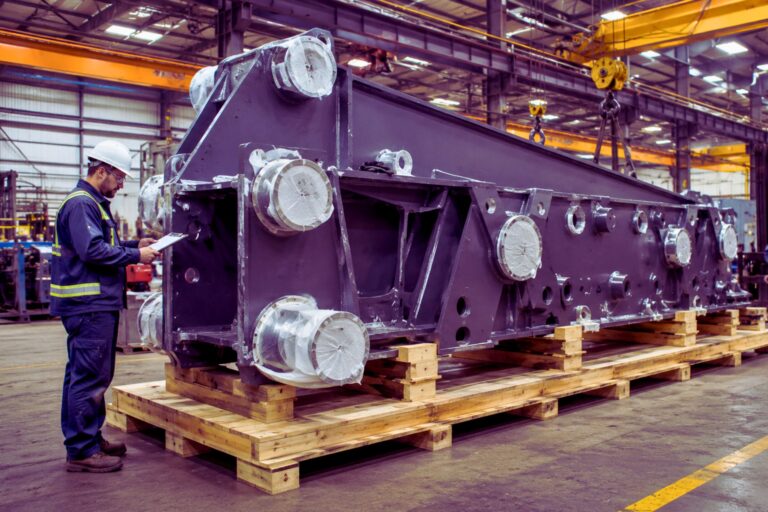
Heavy weldments are unforgiving because distortion, fit up variation, and heat input effects compound across long seams and multi-pass joints. When the real-world part deviates from nominal geometry, manual correction and rework can quickly erode margin and disrupt delivery. In 2026, the differentiator is not only whether a supplier can weld large structures, but whether they can run a controlled, repeatable, auditable welding system that scales across programs.
1) Repeatability starts with a qualified process, not with the robot
Establish a Welding Procedure Specification that is production-ready
A robust Welding Procedure Specification (WPS) defines the variables that drive weld quality and repeatability. ISO guidance for WPS content focuses on essential parameters that influence the welded joint, which is exactly what high-mix production needs when variations appear. (iso.org)
In practice, repeatability improves when the WPS is treated as a shop-floor control document, not a file that sits in a binder:
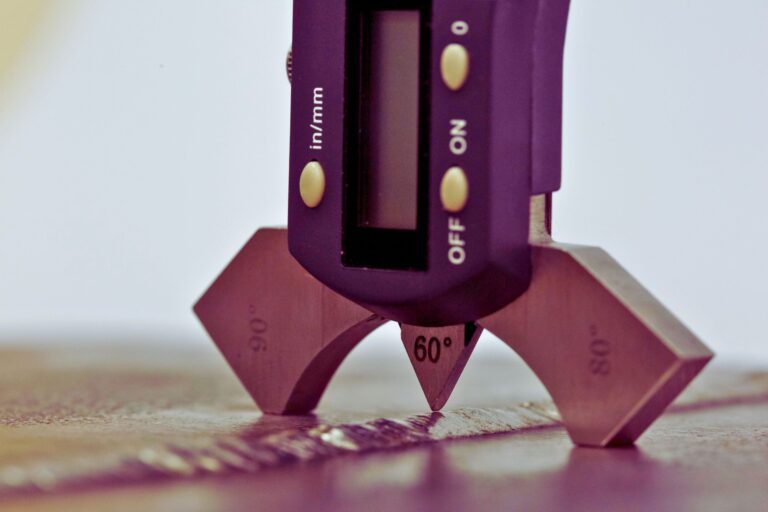
- Joint design and preparation are defined and verified (edge prep, root gap, bevel angle).
- Consumables and shielding gas are locked down with clear substitution rules.
- Electrical parameters, travel speed, and technique are controlled within validated windows.
Validate the WPS through procedure qualification, then standardize execution
ISO 15614-1 describes how a preliminary procedure is qualified through welding procedure tests and the range of qualification. (iso.org) The practical implication for heavy weldments is straightforward: if you want consistent outcomes, you need evidence that the selected process can repeatedly meet mechanical and quality requirements, not only in a prototype but under production conditions.
From an operational standpoint, the role of documentation is not bureaucracy. It is what enables repeatable welds at scale. TWI summarizes the relationship clearly: the WPS defines the variables, and supporting qualification records underpin confidence that the joint will meet the specified requirements. (twi-global.com)
Engineering fundamentals still matter most
Robots do not eliminate root causes. The largest repeatability gains often come from:
- Fixturing and datum strategy that constrains distortion and stabilizes fit up
- Consistent tack sequencing aligned with the WPS intent
- Preheat and interpass discipline to reduce variability between operators, shifts, and batches
Key point: In heavy fabrication, the robot amplifies what the process already is. If the process is unstable, automation makes instability faster.
2) Variation is inevitable, so adaptive control becomes the productivity lever
Seam tracking and touch sensing reduce sensitivity to fit up variation
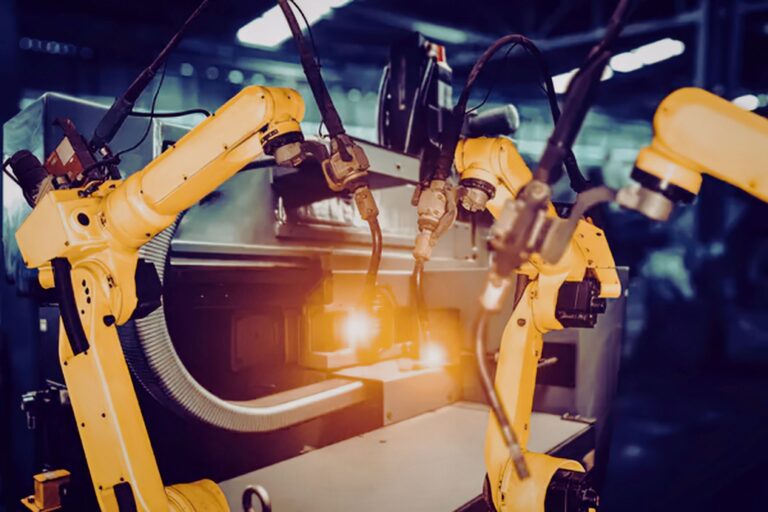
Heavy weldments often include weld seams that move due to thermal distortion or part placement tolerance. Modern robotic welding addresses this through sensing and adaptive correction.
One widely used approach is Through Arc Seam Tracking (TAST), which adjusts the robot path based on arc feedback to maintain position when the workpiece varies across repetitive welding. (userdoc.kemppi.com) This is particularly valuable when physical guides cannot fully eliminate drift across long seams or when welded structures exhibit predictable warping behavior.
Sensor-based welding helps stabilize bead placement and quality
Advanced robotic welding systems also use dedicated sensing strategies, including programmed weave patterns and adaptive adjustments to maintain consistent seam alignment. ABB’s technical material describes seam tracking built around programmable weave patterns and adaptive behavior designed to keep the process aligned with the joint as conditions change. (library.e.abb.com)
Key point: Adaptive control is not about making perfect parts out of poor inputs. It is about protecting throughput and quality when normal industrial variation appears.
3) Traceability means linking every weld to evidence, not only to a serial number
ISO 3834 frames welding quality as a managed system
ISO 3834-1 outlines how the ISO 3834 series provides criteria for selecting appropriate quality requirement levels for fusion welding and is applicable to manufacturing in workshops and at field installation sites. (iso.org) The implication is that traceability should be part of a coherent welding quality system, typically including welding coordination, inspection planning, and controlled documentation.
What customers typically expect to be traceable
For heavy weldments, traceability is most valuable when it connects the weld outcome to the inputs and qualifications that produced it. At minimum, strong systems link:
- Weld to WPS (which procedure governs the joint)
- Weld to procedure qualification evidence (the supporting record that validates the WPS logic) (twi-global.com)
- Weld to personnel competence where manual operations are involved
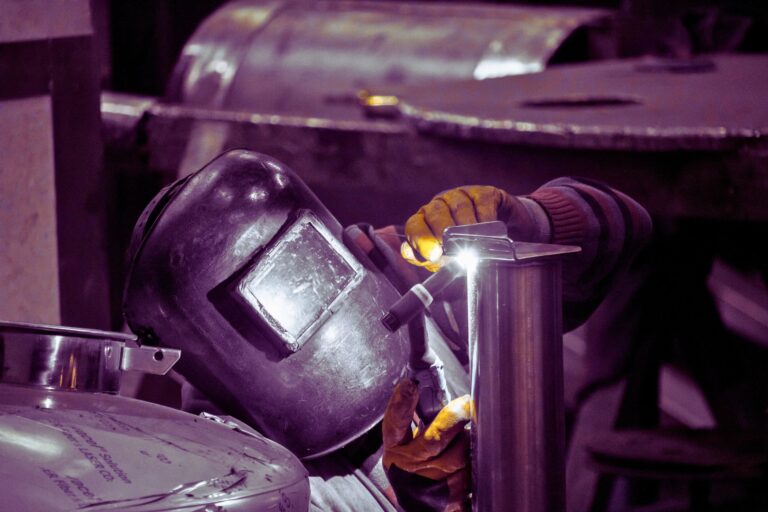
On welder competence, ISO 9606-1 specifies requirements for qualification testing of welders for fusion welding of steels and establishes technical rules for systematic qualification. (iso.org) Even in highly automated cells, manual work typically remains in tacking, repair, constrained access welding, or special joints, so competence control remains relevant.
Key point: Traceability is a commercial advantage because it accelerates customer acceptance, reduces dispute cycle time, and supports faster root-cause closure.
4) Cost control is the outcome of stability, not the outcome of speed
Robotic welding is often justified by arc-on time and throughput. In heavy weldments, the larger and more durable cost drivers are typically:
- Reduced rework and repair through repeatable bead placement and controlled parameters
- Lower inspection churn because acceptance criteria are met predictably
- Less schedule volatility because fit up variation does not collapse cycle time
Documentation and qualification discipline supports cost control because it prevents “tribal knowledge drift” across shifts and projects. That is precisely why standards-driven approaches emphasize defined variables, qualification testing, and systematic competence management. (iso.org)
Supplier evaluation checklist for OEMs and project teams
When qualifying a supplier for heavy weldments with robotic welding, it is reasonable to ask for evidence of the following:
- WPS coverage for the actual joint types, including parameter windows and consumable controls (iso.org)
- Procedure qualification evidence aligned with production reality (materials, thicknesses, positions) (iso.org)
- Fixturing and distortion-control approach, including sequencing and heat management logic
- Adaptive capabilities for variation (touch sensing, TAST, or equivalent seam tracking approach) (userdoc.kemppi.com)
- Traceability model that links welds to procedure, inspection results, and competence control (iso.org)
build repeatable welding performance into your next program
If you are qualifying suppliers or planning a production ramp for complex weldments, heavy fabrication, and large-part machining, SL Industries can support with documented welding procedures, disciplined quality controls, and robotic welding capability, backed by a team of certified welding specialists.
For project discussions, supplier qualification requirements, or a production readiness review, contact SL Industries at +359 (82) 841345 or info@sl-industries.com.