Industrial-Grade Supplier Qualification: What OEMs Really Look for in Heavy Fabrication Partners
Why supplier qualification matters more than ever Choosing a heavy fabrication supplier is rarely just a procurement decision. For OEMs,…


Why supplier qualification matters more than ever Choosing a heavy fabrication supplier is rarely just a procurement decision. For OEMs,…
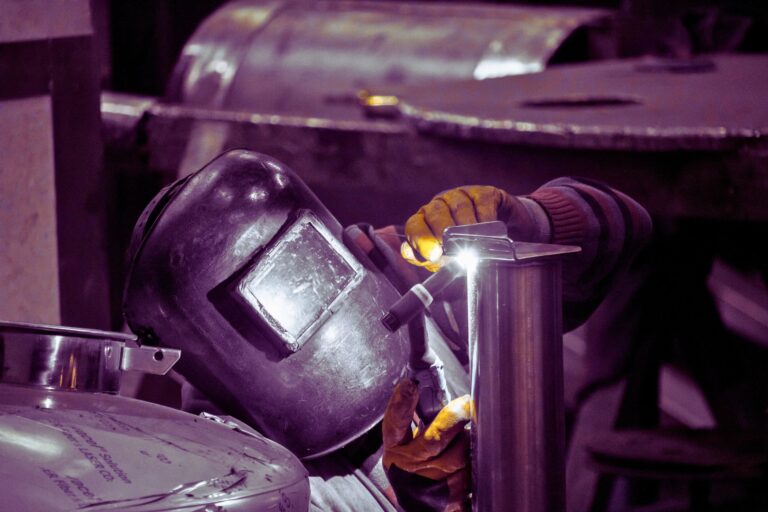
Why an ITP is more than “a QA document” For heavy weldments, the real cost is rarely the inspection itself….
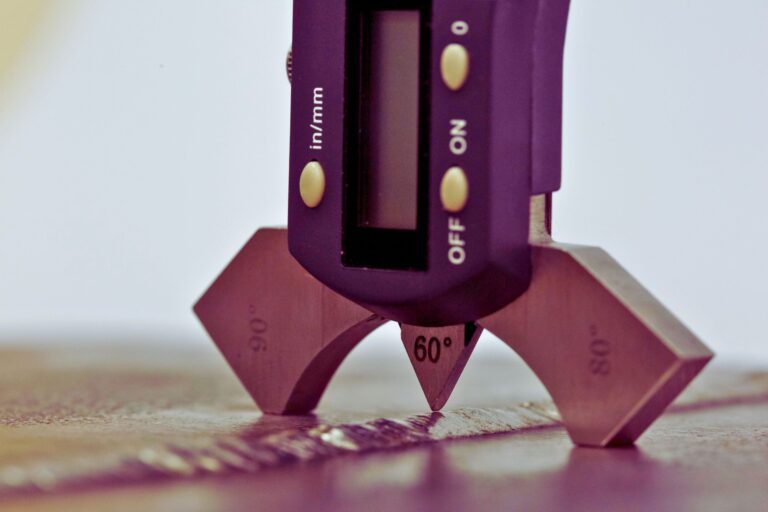
Why distortion is still the hidden cost driver In heavy weldments, distortion is rarely a single “event.” It is the…

Why part identification is now a production and commercial issue In heavy fabrication, traceability breaks most often at a simple…

Why traceability is becoming a commercial requirement In heavy fabrication and welded assemblies, the cost of uncertainty is high. A…
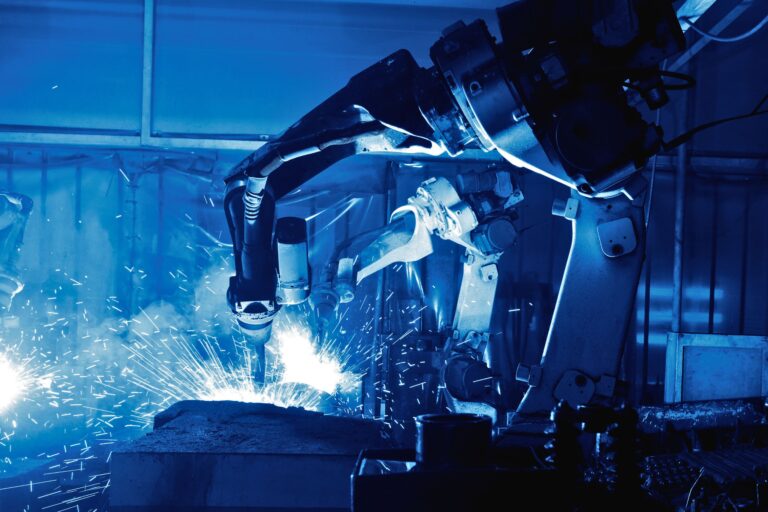
Why heavy weldments expose process weaknesses Heavy weldments are unforgiving because distortion, fit up variation, and heat input effects compound…

Industrial manufacturing starts 2026 with uneven demand signals. In Europe, activity remains under pressure: the HCOB Eurozone Manufacturing PMI ended…

High‑mix manufacturing, tighter tolerances, and faster takt times are pushing visual quality control beyond the limits of manual inspection and…

Customers and regulators increasingly expect transparent, comparable environmental data for metal components. Life Cycle Assessment (LCA) and Environmental Product Declarations…
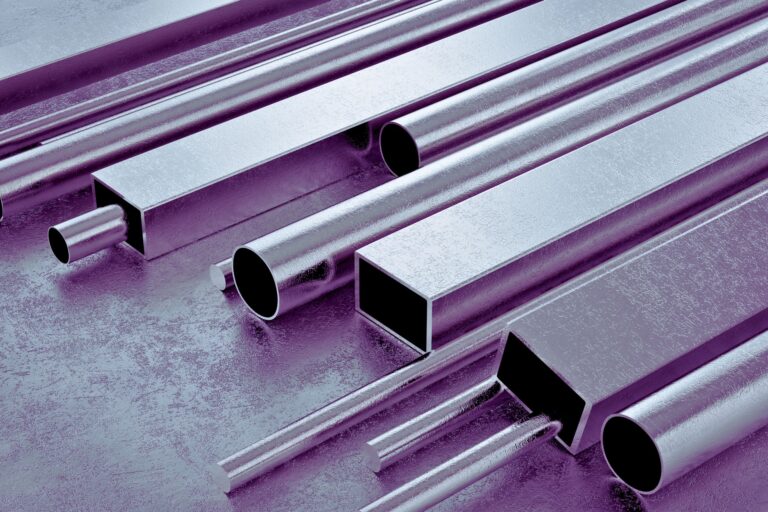
Modern metal components must withstand abrasion, contact fatigue, and cyclic loading—often while holding tight tolerances. Two complementary surface-hardening approaches—vacuum heat…
End of content
End of content
We use cookies on this site to enhance your user experience.
For a complete overview of the cookies used, see our privacy policy.