From First-Off Component to Repeat Production: Building Process Stability in Heavy Fabrication
Why one successful component does not yet prove a stable process Producing the first acceptable component is an important milestone…

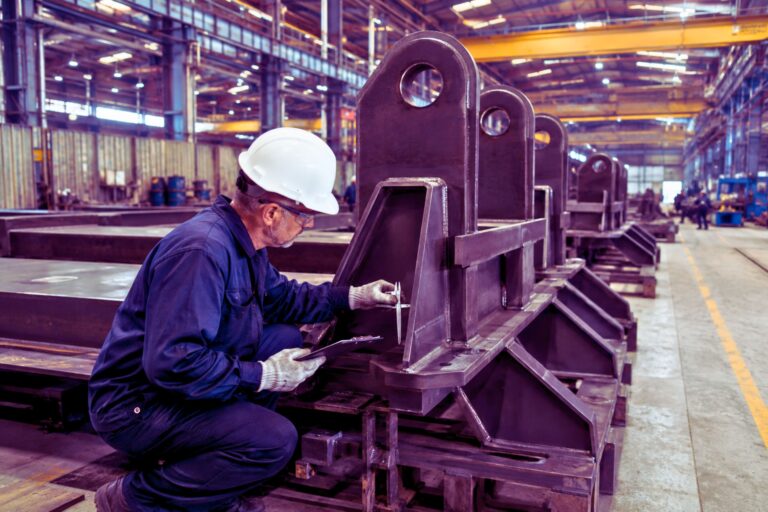
Why one successful component does not yet prove a stable process Producing the first acceptable component is an important milestone…
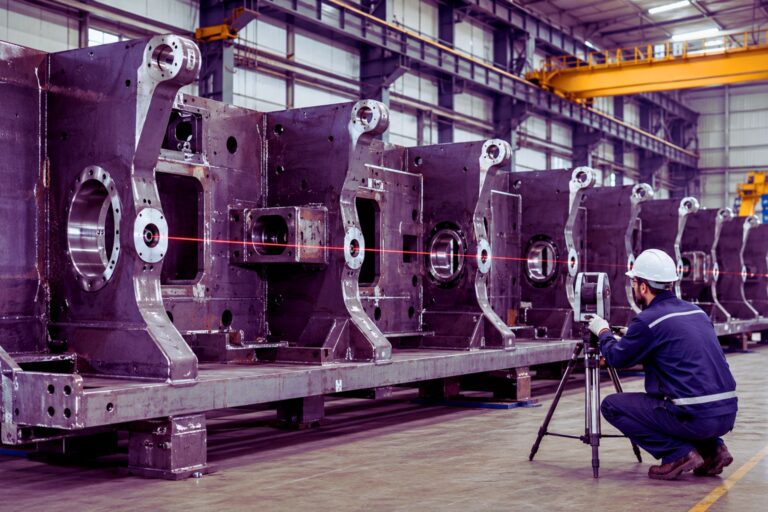
Why individually correct parts can still create assembly problems In large fabricated assemblies, dimensional quality cannot be judged only by…
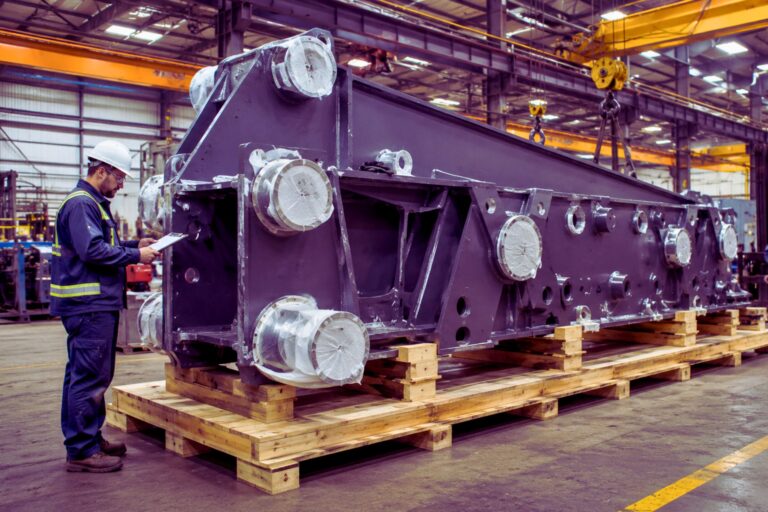
Why quality control does not end at final inspection In heavy fabrication, final inspection is often viewed as the last…
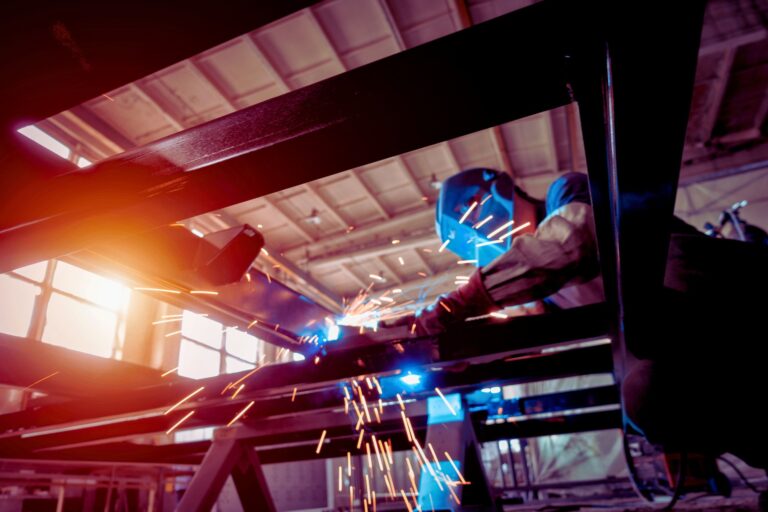
Why the transition from welding to machining deserves careful control In heavy fabrication, welding and machining are often treated as…

A cautious recovery, but a more demanding operating environment The first months of 2026 show a manufacturing environment that is…
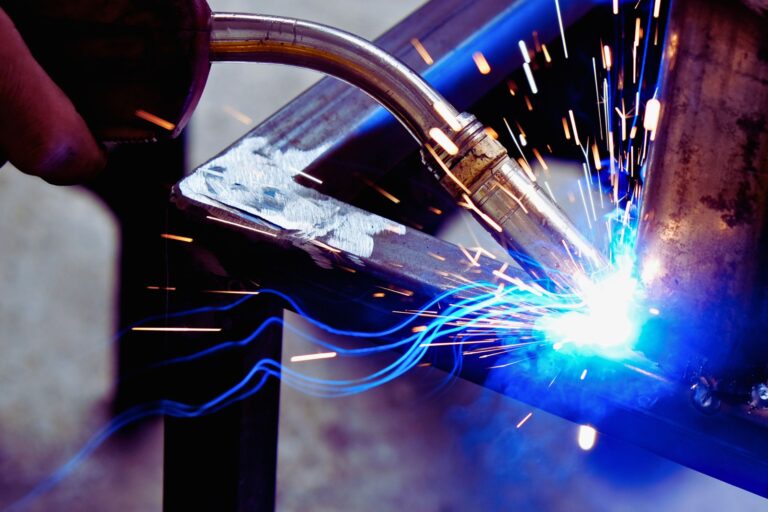
Why distortion remains one of the most persistent fabrication risks In welded fabrication, many problems do not begin with a…

Why documentation matters far beyond paperwork In fabrication, quality is not judged only by the finished part. For OEMs, confidence…
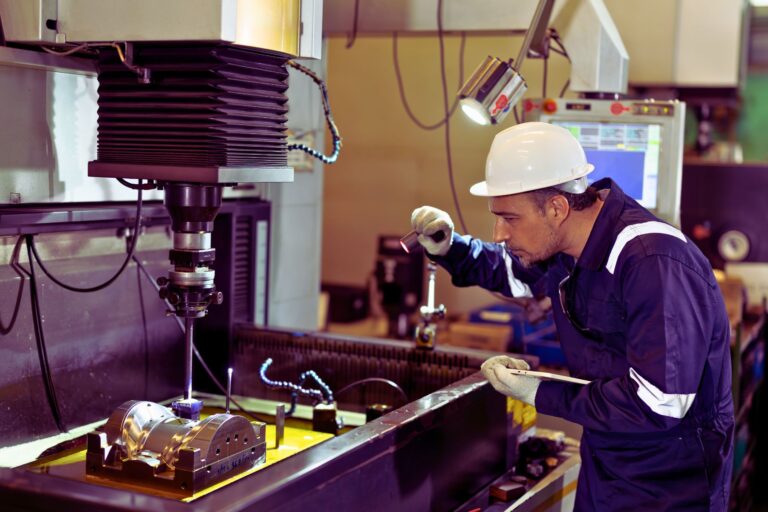
Why inspection planning matters long before a product is finished In fabrication, many quality problems are not created at final…
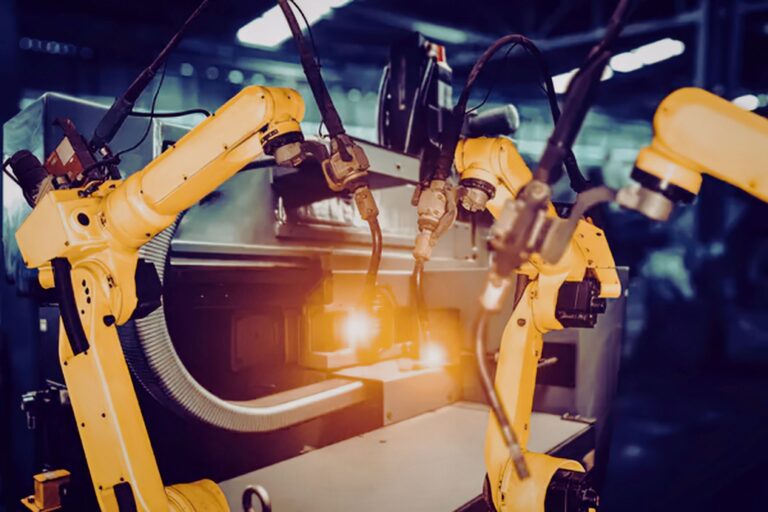
Why traceability has become a core manufacturing requirement In heavy fabrication, weld quality is never judged only by what is…

Why supplier qualification matters more than ever Choosing a heavy fabrication supplier is rarely just a procurement decision. For OEMs,…
End of content
End of content
We use cookies on this site to enhance your user experience.
For a complete overview of the cookies used, see our privacy policy.