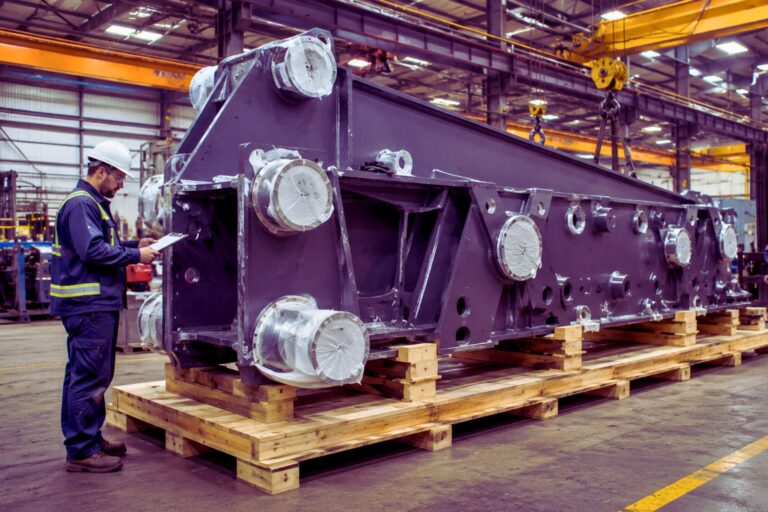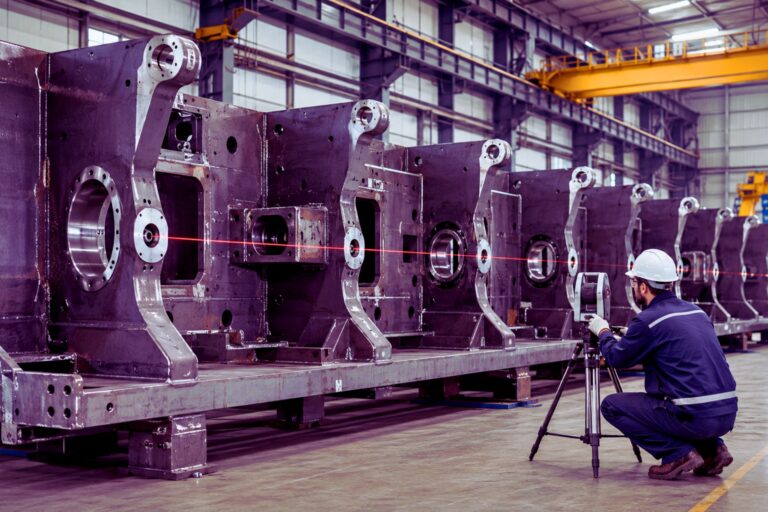
A cutting plan calls for 20 mm S355J2 plate for the side members of a welded machine frame. The stockholder can deliver S355JR tomorrow; the specified plate will arrive next week. Both offers say “S355”, both plates have the right dimensions, and the cutting slot is already booked. What should the buyer do?
The useful first step is to tell the stockholder exactly what evidence would make the offer worth reviewing. Asking only whether the steel is “equivalent” leaves the most important question unanswered: equivalent in which respect, for which part, and under whose approval?
Our earlier article on technical RFQ reviews looked at how to agree the material requirements before placing an order. Here we follow the decision that arises when the market offers something different.
1) Find out what is actually changing
Start with the released drawing, the bill of materials and any specification referenced by the purchase order. Read the complete material designation, including the product standard, subgrade and delivery condition where specified. Compare those requirements with the stockholder’s written offer for the thickness and product form being purchased.
Sometimes this resolves the issue without a substitution. A different stockholder may have plate already certified to the full original specification. If the order permits that source and the evidence covers all requirements, the project can stay with the specified material. Conversely, a quotation that lists only “S355” is incomplete: ask for the full designation before treating it as either a match or an alternative.
2) Compare the property that matters to the design
In the machine-frame example, the key difference is impact toughness. For these EN 10025-2 subgrades, the published Charpy impact energy is 27 joules at +20°C for S355JR and 27 joules at −20°C for S355J2. The energy figure is the same; the test temperature is not. Arvedi’s grade comparison shows the two side by side.
A result at +20°C does not establish performance at −20°C. Equally, −20°C is a specimen test temperature, not a minimum operating temperature that a fabricator can assign to the completed frame. The buyer can identify the gap. The engineer responsible for the design decides what that gap means for this component.
For a different proposal, the decisive difference might be the minimum yield strength at the ordered thickness, the delivery condition or a specified through-thickness property. Record the required value or condition beside the one offered. Where evidence is missing, mark the item as open. That tells the reviewer exactly what to request.
3) Give engineering and welding personnel separate questions
The design engineer needs to decide whether the alternative meets the component’s functional requirements. The person responsible for welding needs to determine whether the intended joints can be made with the procedures and qualifications available for the job. A positive answer to either question leaves the other open.
TWI’s explanation of base metal grouping illustrates the distinction. Welding codes group certain parent materials so that a procedure qualification can cover a defined range. Even if a procedure covers both grades, the fabricator still needs authorization to depart from the customer’s drawing. Nor does a customer’s acceptance of an alternative, on its own, extend the range of a welding procedure.
Give each reviewer the part number, material thickness and affected joints. If the part will be formed, include the bend detail as well. A flat side plate and a cold-formed bracket cut from the same stock may need different manufacturing checks.
4) Show whether the alternative actually saves time
In our example, the stockholder is offering earlier delivery of the plate. The OEM needs to know whether that brings forward delivery of the frame. If the alternative needs additional evidence and engineering review, and the next available machining slot remains unchanged, the earlier plate may save no time on the order.
A useful request puts four items in front of the decision-maker:
- The change: the specified and proposed materials, the affected drawing revision, parts and quantity.
- The evidence: the properties compared, the supporting documents and the questions still open.
- The delivery options: the realistic dispatch date with each material, including time for review or testing.
- The decision needed: who may approve the change and the latest date at which approval would still help.
This gives purchasing a sound reason to retain the original order when that is the better option. It also gives engineering enough information to act promptly when the alternative offers a real benefit.
5) Make the limits of approval visible on the shop floor
Suppose the authorized customer engineer accepts an alternative for two side plates on one frame, subject to review of the inspection certificate for the allocated plate. The decision should identify those parts, the order and the condition to be met before cutting. It should also be clear that the bracket nested alongside them remains on the original specification.
That last detail matters. A buyer may understand a one-off concession perfectly while a cutting operator sees only three profiles on a nesting plan. The production planner should separate the affected profiles or revise the plan so each part is assigned to the correct stock. At receipt, the inspector can then check the plate identity against the certificate and the approval before releasing it for those parts.
Approval for two pieces does not amend the material master for the next order. If the OEM wants the alternative available for repeat production, the responsible team should make that change through the normal drawing or specification revision process.
6) If the plate has already been cut, establish the extent first
Once material has entered production, the question changes from “May we use it?” to “Where has it been used, and what can we demonstrate?” Identify the affected cut parts, remaining stock and any assemblies that have received them. Keep those items from progressing until the responsible authority decides their disposition under the project’s nonconformance process.
A cutting record that links each profile to its parent plate can narrow the investigation to a handful of parts. If the link is missing, a certificate in the purchasing file cannot, by itself, establish which frame contains that steel. With that link intact, the team can hold the affected parts and release unrelated work.
A practical conclusion
For the buyer with a cutting slot booked, the most useful reply is specific: “The drawing calls for S355J2. Please confirm whether you can supply plate certified to that requirement. If you are offering S355JR instead, identify the plate, send the supporting documents and confirm how long you can hold it for review.” The supplier knows what to provide, and the buyer keeps both delivery options open without releasing the wrong plate.
SL Industries combines steel cutting, forming, welding and CNC machining for fabricated components. If material availability is affecting an upcoming project, send the relevant drawing, full material designation, plate thickness and required delivery date to info@sl-industries.com so our team can review the fabrication implications with you.